The Winter Twelve: A British Capsule That Earns Its Keep
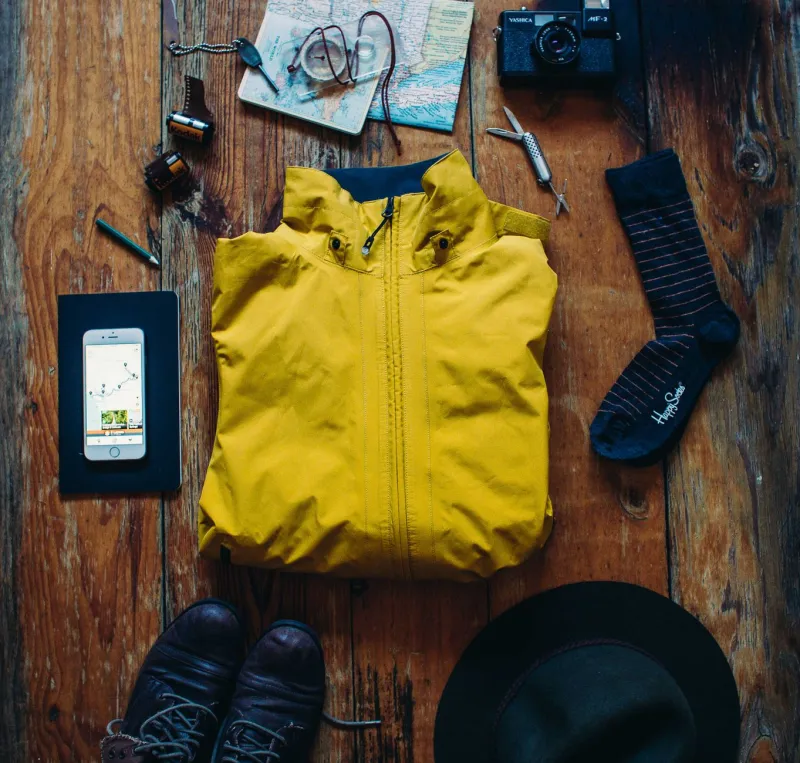
British winter rarely arrives as one clean cold snap. It turns up as a damp Tuesday, a windy station platform, a bus with the heating stuck on, then a pub garden that looked like a good idea until 5pm. A winter capsule has to handle all of that without turning your bedroom into a warehouse. The test is not whether each piece looks nice on a hanger. It is whether it works with at least three other things, survives the weather and earns a sensible cost per wear by the time March comes round.
That is the thinking behind this twelve-piece edit. It is not a shopping spree in list form. It is a small wardrobe with jobs to do, built around fabric quality and repeat wear rather than novelty. Prices will vary, but the principle stays the same: buy fewer, check the construction, and let the coat do the heavy lifting.
1. A properly waterproof hooded shell
This is the piece that makes the rest of the capsule usable. Look for taped seams, a hood with a bit of structure, and a fabric that is actually waterproof rather than merely water-resistant. A breathable membrane matters on the Tube and on a brisk walk to the office. Length is a personal call, but something that covers the seat of your trousers is a quiet British winter luxury. Cost per wear: high, because you will reach for it from October to April.
2. A quilted or insulated mid-layer
The shell keeps the rain out; this keeps the warmth in. A lightweight quilted jacket or a decent fleece works under a coat and over a jumper. Check the fill and the lining, and make sure the sleeves do not bunch under your outer layer. This is the piece that handles the commute-to-pub temperature swing: too warm for a heavy coat, too cold for a shirt alone.
3. A merino long-sleeve base layer
Merino is not cheap, but it regulates temperature, resists odour and feels far less clammy than basic synthetic thermals. A fine-gauge version can be worn under a shirt without adding bulk. Look at the fabric weight and the seams; flatlock stitching sits better under layers. One good base layer, washed and rotated, will do more than three flimsy ones.
4. A lambswool or wool-blend crewneck
This is your middle layer for dry days. A crewneck in lambswool, or a wool blend with enough natural fibre to feel warm, works over the base layer and under the shell. Check the knit density and the neckline: a loose, floppy collar will look tired by January. Avoid anything that pills before you have even left the house.
5. A heavyweight cotton shirt
A good Oxford or brushed cotton shirt is the bridge between smart and ordinary. It works under knitwear, on its own with jeans, and at the pub when you want to look like you made an effort without actually making one. Feel the fabric: if you can see your hand through it, it will not last. A slightly roomier cut also leaves space for a base layer.
6. Dark straight-leg jeans
Jeans are not weatherproof, but a mid-to-heavyweight denim in a dark wash is a reliable winter workhorse. Straight-leg is the useful shape: room for socks, tidy enough for the office, not so slim that a cold day becomes a personal grievance. Check the pocket bags and the stitching at the crotch; those are the first places to fail.
7. Wool-blend trousers
For days when jeans feel too casual, a pair of wool-blend trousers in charcoal, navy or brown earns its place. They handle a smart lunch, a train journey and a winter wedding without fuss. Look for a lining that does not rustle, a waistband with real structure, and enough room to wear a thin base layer underneath.
8. Waterproof leather boots
British winter is hard on footwear. A sturdy pair of waterproof leather boots with a grippy sole and a sealed construction will outlast several pairs of fashion boots. Check the welt, the sole and the lining. If the boot can be resoled, even better. This is the clearest cost-per-wear decision in the whole capsule.
9. Leather shoes or smart trainers
You need one drier-day option that works with the trousers and jeans. Leather Derby shoes, a simple Chelsea boot or a clean leather trainer all fit. The point is not formality; it is a shoe that looks deliberate with the rest of the capsule and can be cleaned rather than replaced.
10. Merino socks
Socks are not glamorous, but cold, damp feet ruin everything. Merino socks manage moisture and warmth without bulk. Buy a few pairs in a plain colour, check the heel and toe reinforcement, and stop treating socks as an afterthought. They are the cheapest way to make winter boots feel civilised.
11. A wool scarf
A scarf is the difference between a coat that works and a coat you endure. Choose wool or a wool-rich blend, enough length to wrap once, and a colour that sits with the coat and knitwear. Avoid anything too scratchy at the neck; you will not wear it.
12. A knitted beanie or wool hat
A simple ribbed beanie in wool or a wool blend is the final piece. It should cover the ears without clinging, and it should look fine with both the shell and the wool coat. This is not the place for a novelty pom-pom unless that is genuinely your thing.
How the twelve work together
The maths is simple. The shell and boots handle the worst weather. The mid-layer, base layer and jumper handle the cold. The shirt, jeans and trousers cover the everyday occasions. The scarf, hat and socks are the small pieces that stop the whole thing feeling like a compromise. Each item should work with at least three others; if it only works with one outfit, it is not a capsule piece.
The cost-per-wear test
Before buying anything, divide the price by the number of wears you honestly expect. A £180 waterproof coat worn four times a week from October to March is cheaper per wear than a £60 fashion coat that leaks by December. The same goes for boots and knitwear. The question is not 'Is this good value?' but 'Will I still be wearing this in three winters?' That is the Bear Essentials approach: everyday style, built to last.
What to leave out
Skip the spare going-out coat you will wear twice, the trend-led boots that cannot handle a puddle, and the thin jumper that needs a vest underneath to be useful. A capsule is not a punishment; it is a way of making fewer decisions. If the twelve pieces above cover your work, weekends and the walk to the pub, you have done the job. The rest is detail.
By the time the clocks change, a good winter capsule should feel less like a wardrobe and more like a routine. That is the point: fewer things, better made, and a bit more room to get on with your day.