The First Ten Minutes After a Wet Walk Matter More Than the Boot You Bought
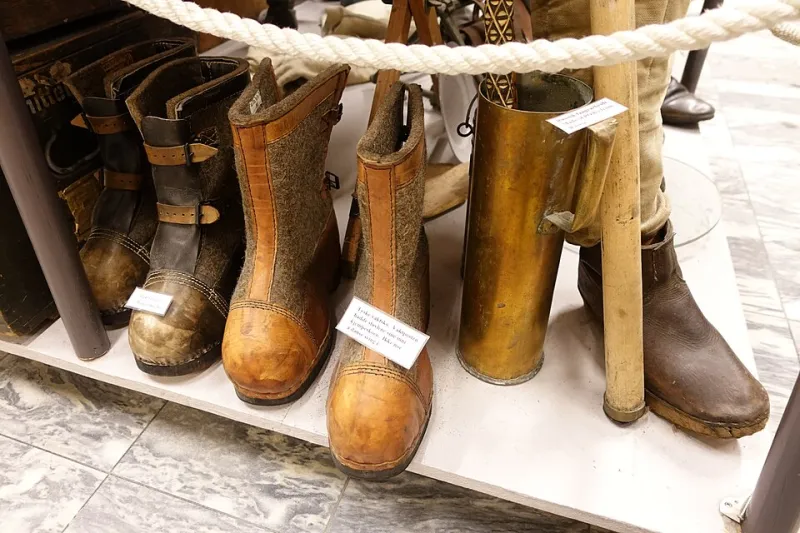
Photo: Wolfmann, CC BY-SA 4.0, via Wikimedia Commons
British winter has a way of testing footwear. One morning the pavement is merely damp; by the afternoon it is a slick of grit, leaf mulch and something best not identified. Good boots can handle that. What they struggle with is being left wet by the door, dried on a radiator, or worn every single day until the lining gives up.
The boot room, for most of us, is a doormat and a narrow hallway. That is fine. You do not need a bench, a brushing station or a cupboard full of lotions. You need a few small habits that take less time than putting the kettle on. These are the ones that make the biggest difference.
1. Deal with the doorstep before you deal with the kettle
Knock the soles together outside, or give them a quick tap on the step. Then wipe the uppers with a barely damp cloth if they are leather or synthetic, and leave the mud to dry on suede rather than scrubbing it while wet. A shallow boot tray by the door is one of the least glamorous purchases you can make, and one of the most useful. It keeps grit off the floor and stops wet soles from sitting in a puddle.
For everyday trainers, rinse the outsoles and wipe the sides. Do not throw them in the washing machine unless the care label says so. Heat and agitation are rarely kind to glue and shape.
2. Dry slowly, away from heat
This is the habit people break most often. Wet leather left next to a radiator will dry quickly and then crack, stiffen or lose its finish. Stuff boots loosely with newspaper or plain cloth, open the laces or zip, and let them sit at room temperature. If the lining is very damp, change the paper after an hour or two.
A little air movement helps more than heat. A hallway with the door ajar is better than a hot cupboard. Do not use a hairdryer. Do not balance them on a radiator. Patience is the product category here.
3. Keep their shape when they rest
Boots collapse when they are empty, especially tall leather pairs and soft suede. Cedar shoe trees, boot shapers or even tightly rolled newspaper help them hold their shape between wears. Store them upright, not squashed under a bag or piled on top of each other.
If you only buy one accessory for your boots, make it something that keeps the toe box and shaft in shape. It costs far less than replacing a pair because the ankles have creased into permanent slouch.
4. Brush more often than you wash
A horsehair brush is the quiet hero of leather care. A quick brush after a dry walk lifts dust and grit before it works into the surface. Suede wants its own brush, used gently once the mud is dry. Trainers usually need a soft cloth and a mild soap solution, not a full soak.
Condition leather sparingly. Too much product can leave a sticky film that attracts dust. The aim is clean and supple, not shiny. For suede, a protective spray applied before the worst weather is more useful than trying to rescue a stained pair later.
5. Re-proof before the weather wins
Waterproofing is not a one-off job. Leather wax, cream or spray, depending on the finish, and suede protector should be reapplied through the season. Test on a small hidden area first. Let the product settle overnight before you wear the boots outside.
This is also the moment to check zips, seams and the join between sole and upper. A tiny split caught early is a cheap repair. The same split left through a wet fortnight can mean a new pair.
6. Rotate, do not marathon
No pair of boots enjoys being worn seven days a week in wet weather. Two pairs worn alternately will last longer than one pair worn twice as hard, because each has time to dry properly. If you only have one pair, at least give them the evening to air and stuff them with paper.
Removable insoles help here. Take them out, let them dry separately, and replace them when they start to flatten. Socks matter too. Thin cotton socks in cold boots are a recipe for clammy feet and a damp lining.
7. Know your repair-or-replace line
A good cobbler can replace heels, soles, zips and stitching. Scuffs can be polished out; suede can be brushed; trainers can be cleaned. Repair usually makes sense when the upper is sound and the fit is still good.
Replace when the leather is cracked through, the sole has gone beyond a sensible repair, the lining has torn away in patches, or the boot no longer supports your foot. Cost per wear is a useful test: a modest repair that buys another two winters is usually better value than a new pair bought in a panic.
The pattern is simple. Knock off the grit, dry gently, keep the shape, brush often, re-proof now and then, rotate when you can, and repair before the damage spreads. None of it takes long. It just needs to happen before the boots are kicked into the corner.