Spend Here, Save There: A Smarter UK Wardrobe Budget

Photo: Pieter Brueghel the Elder, Public domain, via Wikimedia Commons
Most wardrobe advice tells you to buy less and buy better. Sound advice, but it skips the awkward bit: what does better actually mean when the boiler needs servicing and the weekly shop has gone up again? The £50 rule is a useful filter. Not a law, not a magic number, just a question you can ask before you hand over your card: will this piece earn its keep?
The rule is a question, not a price tag
Ignore the exact figure for a moment. The useful version of the £50 rule is cost per wear. If a coat costs £150 and you wear it 150 times, that is £1 a wear. If a top costs £30 and you wear it five times because it pills, twists or never quite sits right, that is £6 a wear and a small ongoing irritation. The cheaper item was not cheaper.
That does not mean everything should be expensive. It means the price tag is only the opening line. The rest of the story is fit, fabric, construction and how often the piece will realistically leave the house. A £50 jacket you wear three times a week from October to March is doing proper work. A £50 jacket that only works with one pair of trousers is a costume.
Spend where the weather and the pavement will test it
In the UK, certain items take a beating simply because of how we live. They are the ones worth slowing down for.
Outerwear is top of the list. A good coat is not a luxury in a country that can produce four seasons before lunch. Look for a lining that does not twist, seams that sit flat, a zip that runs cleanly and a fabric that feels dense rather than flimsy. A wool-blend coat with a decent weight will generally outlast a thin fashion coat that looks the part on the hanger but collapses after a wet commute. If you can afford one properly good coat, make it the one you wear most, not the one you save for best.
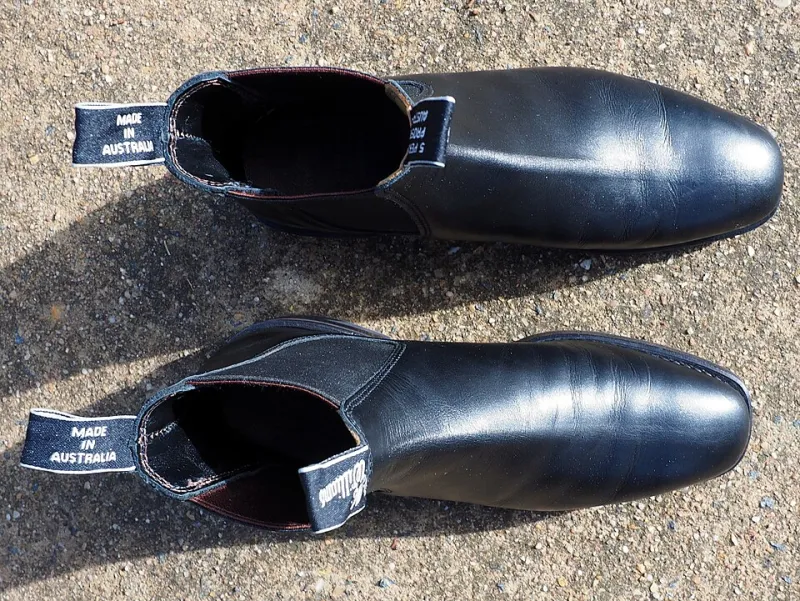
Footwear is the next place to put your money. You do not need designer boots. You do need soles that grip, leather that has not been stretched thin and a shape you can walk in for twenty minutes without regret. A pair of well-made Chelsea boots or simple leather lace-ups, reheeled when needed, will usually beat three pairs of cheap boots that let in water by February. Check the sole, the stitching and the heel. If the shoe feels flimsy in the hand, it will feel flimsy on a wet pavement.
Knitwear is the quiet workhorse. Merino, lambswool and decent cotton blends tend to hold their shape better than very soft acrylics that look lovely in the shop and tired by the second wash. You do not have to spend a fortune, but do read the composition label. A jumper that is mostly natural fibre and knitted at a sensible density is usually the better bet. Bags deserve a mention too. An everyday bag takes more abuse than most people admit: bus floors, cafe chairs, school gates, sudden rain. A simple leather or sturdy canvas bag with strong straps and a reliable zip is worth more than a trendy shape that sheds its finish in a month.
Save where the novelty fades first
There are plenty of pieces where a good high-street version is perfectly sufficient. Trend-led tops, occasion dresses, seasonal colours and playful accessories rarely need a serious budget. They are there to add a bit of life, not to carry the wardrobe. If you will wear a bright shirt twice a month, buy it at a price that lets you enjoy it without treating it like an investment.
Basic T-shirts and vests are another place to be sensible, though not careless. The cheapest option often goes see-through, loses its neckline or shrinks in a way that makes you feel slightly betrayed. A mid-price version with a decent cotton weight and a clean hem is usually the sweet spot. The same goes for loungewear, pyjamas and simple layering pieces. Comfort matters, but you do not need to pay premium prices for a plain long-sleeve top.
This is where the £50 rule keeps you honest. It is not an excuse to buy rubbish. It is permission to spend modestly where the job is modest.
Read the label like you mean it
The label is not admin. It is the plot. Check the fibre content first. A coat that claims to be wool but contains a token percentage is not the same as one with a proper wool blend. A jumper that is mostly synthetic may still be fine, but it will behave differently: it may pill, hold odour or fail to breathe. Neither is automatically bad, but you should know what you are buying.
Then check the construction. Turn the item inside out. Are the seams neat or already straggly? Is there a lining, and does it hang properly? Do the buttons feel secure? Does the zip catch? Are there spare buttons or a repair kit? Pick it up by the shoulders and give it a gentle shake. A well-made piece should feel balanced, not like it is trying to escape.
Finally, think about your actual life. Will it work with the shoes you own? Can you layer a jumper underneath? Does it survive a school run, a bus seat and a sudden downpour? The best wardrobe staple is not the most exciting thing in the shop. It is the thing you reach for without thinking.
A five-minute decision checklist
Before buying, ask yourself:
- Will I wear this at least thirty times in the next year?
- Does it work with at least three things I already own?
- Can I walk, sit and bend in it without adjusting?
- Does the fabric feel substantial enough for the price?
- Are the seams, buttons, zip and lining doing their job?
- Will it survive the weather and the commute I actually have?
- If it needs cleaning or repairing, can I realistically do that?
- Am I buying it because I need it, or because it is on a rail near the till?
If the answers are mostly yes, spend a little more if you can. If the answers are mostly no, save your money. That is the whole rule, really.
Smarter, not stingier
The point of a wardrobe budget is not to spend as little as possible. It is to stop wasting money on things that never quite work. Spend on the pieces that face the weather, carry your day and get worn until they look like yours. Save on the pieces that are there for variety. That is not frugality for its own sake. It is just a better use of the money you have.
And if you only remember one thing, remember this: the bargain is not the item with the lowest price. The bargain is the item you wear so often that you stop thinking about what it cost.