The Spare Jumper Principle: Why Repetition Makes Getting Dressed Easier
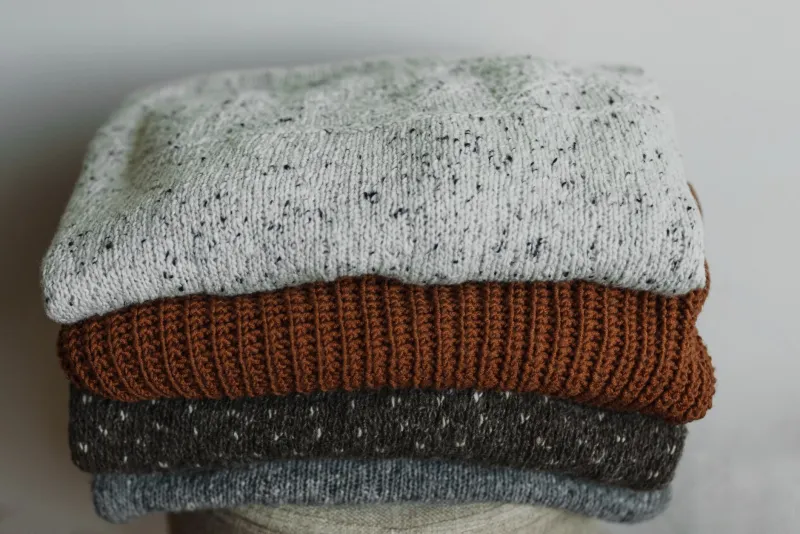
There is a particular kind of low-level panic that comes from realising your favourite jumper is sitting in the washing basket on a cold, damp Tuesday morning. Not a crisis. Just a small, familiar friction. You stand in front of the wardrobe, reject three almost-right alternatives, and end up in something you do not quite trust. Multiply that by a British winter and you have a decent argument for owning two of the same thing.
Not ten. Not a shelf of identical grey knits. Just a spare.
The piece that earns a twin
Duplication should be a reward, not a starting point. The mistake is buying two of something before you know whether it works. A jumper has to prove itself first. It needs to survive a few months of ordinary life: the commute, the school run, the weekend walk that turns into a pub lunch, the unexpected downpour. It needs to come out of the washing machine still the same shape and not a shrunken approximation of itself.
A useful rule: if you have worn a piece at least ten times, washed it at least five, and still reach for it without thinking, it has passed the test. If you have to talk yourself into wearing it, it has not.
You can also check whether it plays well with the rest of your wardrobe. A repeat-worthy jumper should work with at least three pairs of trousers or skirts you already own. It should be comfortable enough for a sofa day and tidy enough for a video call. It should not need special underwear, a particular bra, or a lint roller within arm's reach. The best candidates are often the least dramatic things you own.
Why repetition beats variety
We are constantly told that a varied wardrobe is a good wardrobe. There is truth in that, but only up to a point. Variety is useful for different occasions, different weather, different versions of yourself. It is less useful when it creates a daily negotiation.
A second identical jumper removes one decision from the morning. It also removes the low-grade anxiety of saving your favourite thing for best. You can wear it on a Wednesday. You can wear it to the supermarket. You can spill tea on it and not feel that small flash of grief. The piece becomes a tool rather than a treasure.
This is not about uniform dressing in a severe, minimalist way. It is about recognising that most of us have a handful of shapes and colours that genuinely suit us and fit our lives. Repeating those is not a failure of imagination. It is a sensible use of attention.
When a duplicate is worth it - and when it is not
The case is strongest for everyday staples: a plain knit, a pair of trousers that fit properly, a well-cut T-shirt, socks you actually like, the shoes you walk the dog in. These are the things that get worn hard and washed often. Having a second pair or a second jumper buys you breathing room.
It is weaker for occasion pieces. A second party dress or a duplicate of a statement coat is usually just clutter with a nice label. If you wear something twice a season, you do not need two of it. If you wear it twice a week, you probably do.
There is also a middle ground: the piece you love but cannot wear every day because it is dry-clean only, or slightly too warm, or reserved for smarter days. Duplication only makes sense if the item is genuinely in heavy rotation. Otherwise you are just collecting.
The washing machine reality
British weather is not kind to laundry. A jumper that takes two days to dry on the airer is a logistical problem. A second one solves it without a tumble dryer or a panic purchase.
This is where the spare earns its keep. It is not about luxury. It is about having a dry, clean version of the thing you actually want to wear while the other one dries. It also reduces the temptation to buy a rushed replacement when your favourite is out of action. The emergency purchase is rarely the good purchase. It is usually a slightly wrong colour, a slightly worse fit, and a slightly regretful receipt.
How to duplicate well
Start with the exact same size and colour if you can. The point is not to experiment; it is to replace a known quantity. If the original is still available, buy it now rather than waiting for it to sell out. If it is not, set a restock alert or look for the same style second-hand.
Check the fabric composition before you commit. A second version in a different blend may look similar on the hanger and behave differently after three washes. Wool, cotton and cashmere blends all have their own drying and pilling habits. You want the twin to behave like the original.
Consider a second colour only if you would wear both equally. A navy and a grey version of the same jumper is sensible. A navy and a fluorescent orange version is a different decision entirely.
The quiet payoff
A spare jumper will not change your life. It will, however, make a wet Monday slightly less annoying. It will reduce the number of times you stand in front of your wardrobe feeling vaguely defeated. It will mean your best piece gets worn more, not saved for an imaginary better day.
That is the logic of the duplicate. Not excess, not a capsule wardrobe cliche, just a small piece of infrastructure for real life. One good jumper, two of them. A calmer morning, a drier Tuesday, and one less panic purchase. That is a decent return.