How to Look Pulled Together When It Won’t Stop Raining
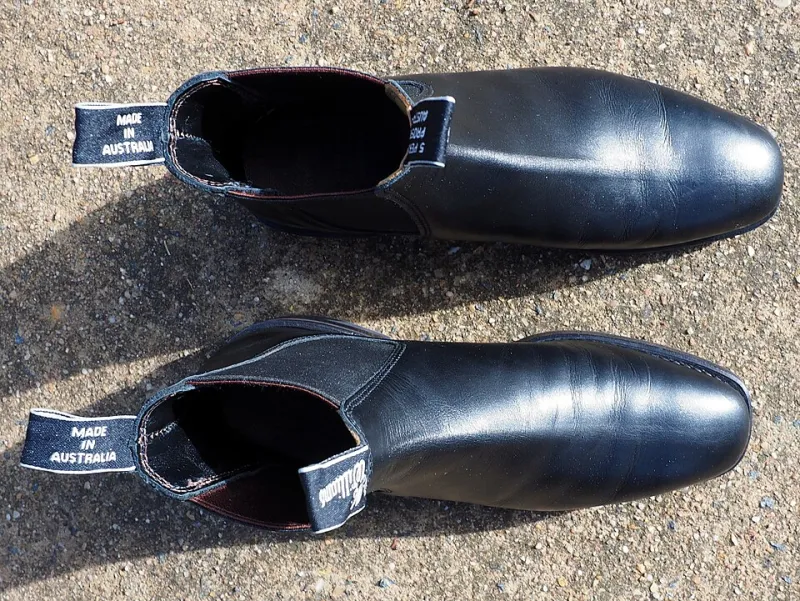
Photo: Nick-D, CC BY-SA 4.0, via Wikimedia Commons
British rain is rarely dramatic. It is a fine drizzle that gets into your hair, a sudden shower between the bus stop and the office, a pavement puddle with a surprising depth. The mistake is treating it like a expedition. You do not need technical gear to look sorted in November. You need a few pieces that cope, a bit of layering and the discipline to dry things properly afterwards.
Start with a shell that looks like a coat
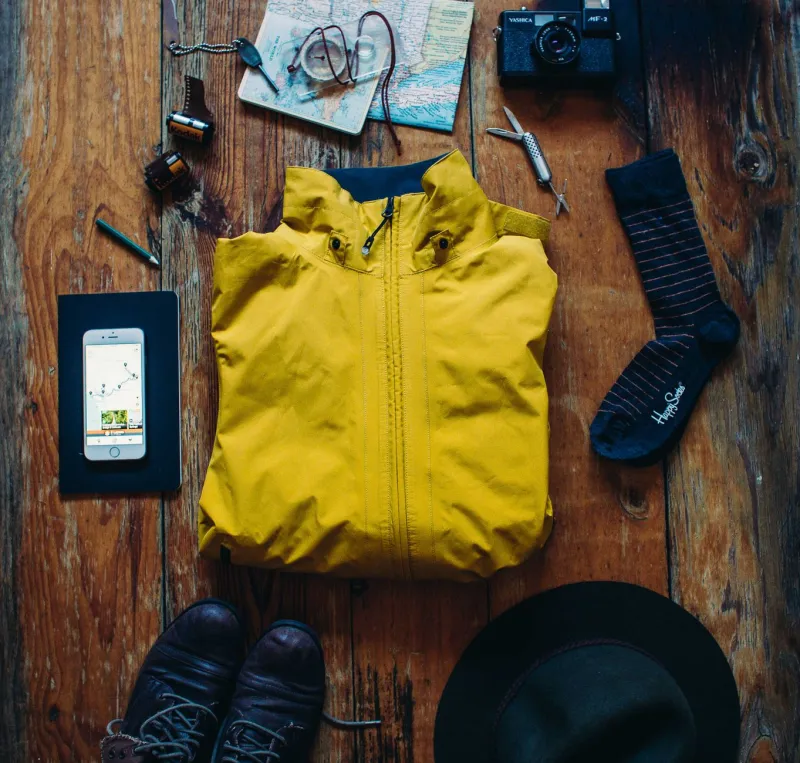
The outer layer does most of the work. A waterproof mac, a trench with a decent coating or a simple parka in navy, olive or stone will always look more polished than a bright technical jacket unless you are genuinely heading for a hill. Look for a hood that stays up, seams that are properly finished and a fabric that feels crisp rather than clammy. A longer length helps more than you think: it keeps the top of your trousers dry and makes the whole outfit look deliberate.
If your coat is only shower-resistant, that is fine for light rain, but keep an umbrella in your bag. If you are buying new, check the label and give the fabric a quick feel. A coat that rustles like a crisp packet may keep the rain out, but it will not go with much. A cotton-blend mac with a water-repellent finish often strikes the better balance for town.
Footwear for puddles and pavements
This is where good intentions go to die. Suede trainers and thin ballet flats are not rain footwear, however nice they look in the window. For wet pavements, choose leather boots, rubber-soled shoes or a sturdy lace-up with a proper tread. Chelsea boots are the obvious answer for a reason: they work with jeans, trousers and dresses, and they keep your ankles dry in a way that trainers do not. A simple leather boot with a grippy sole will look smarter than a bulky walking shoe and cope with most urban puddles.
If you prefer trainers, look for leather or coated styles rather than mesh. Keep a spare pair of socks at work if your commute involves a longer walk. And do not overlook the small stuff: a boot that has been reheeled and polished looks ten times better than a scuffed pair that cost twice as much.
Fabrics that cope with drizzle
You do not need everything to be waterproof. You need fabrics that do not collapse at the first sign of moisture. Wool, dense cotton, denim and many synthetic blends handle damp air well. Raw suede, silk and unlined linen are less forgiving. If you are wearing a skirt or dress, a pair of opaque tights and boots will usually feel warmer and more practical than bare legs and a hopeful attitude.
Layering is your friend. A merino jumper under a mac, a cotton shirt under a parka, a fine knit under a wool coat: these combinations keep you warm without bulk and dry out faster than one heavy layer. Avoid trousers that soak up water at the hem. A straight or slightly tapered leg that sits above the pavement is more practical than a wide leg that acts like a mop.
Outfit formulas for real British days
School run
Waterproof mac in navy or khaki, a cosy knit, straight-leg jeans and leather Chelsea boots. Add a crossbody bag that leaves your hands free for bags, scooters and the inevitable forgotten lunchbox. If it is properly cold, a scarf in a colour you actually like will make the whole thing look less like a uniform.
Commute
A tailored waterproof coat over a fine merino jumper and smart trousers. Leather boots or polished lace-ups, a structured tote and a compact umbrella. Keep the colours simple: navy, grey, camel and black are easy to mix and look intentional even when you are damp around the edges. If you cycle or walk a long way, keep a pair of clean shoes at your desk and change when you arrive.
Weekend errands
A parka or hooded raincoat, a heavyweight sweatshirt, dark jeans and sturdy boots. This is the outfit for the market, the tip run and the coffee queue. A crossbody bag or small backpack keeps things practical. If you are popping out for one thing and coming straight back, a simple raincoat over whatever you were wearing at home is often enough.
The finishing touches that keep it polished
Rain makes everything look slightly tired if you let it. A few small habits help. Carry a compact umbrella that actually opens without a fight. Keep a spare tote folded in your bag for wet shopping. Choose a bag with a wipe-clean finish rather than pale suede. And if your hair tends to frizz, a simple hat or a tied-back style is more reliable than fighting the weather with product.
A scarf is also underrated. It adds colour, keeps your neck dry and makes a plain raincoat look more considered. Choose one that can be washed or dry-cleaned without drama.
Care that keeps rain kit looking good
Rain-ready clothes only stay rain-ready if you look after them. Shake off excess water when you get in, hang coats on a proper hanger and let them air dry away from radiators. Direct heat can damage waterproof finishes and warp leather. If your coat stops beading water, follow the care label and reproof it when needed. It is usually a simple job and much cheaper than replacing the coat.
For boots, wipe off mud while it is still soft, let them dry naturally and use a leather conditioner if they are looking dry. Stuff damp shoes with newspaper to help them keep their shape. Never put wet leather boots on a radiator. If trainers get soaked, remove the laces and insoles and let them dry slowly.
The bottom line
Dressing for British rain is not about owning the most technical jacket on the rail. It is about having a coat that keeps you dry, shoes that can handle a pavement puddle and layers that do not make you overheat the moment you step indoors. Get those right and the rest is just your normal wardrobe, wearing a slightly more practical hat for the day.