House Shoes Are Footwear, Not Filler: A Proper Buying Check for Slippers

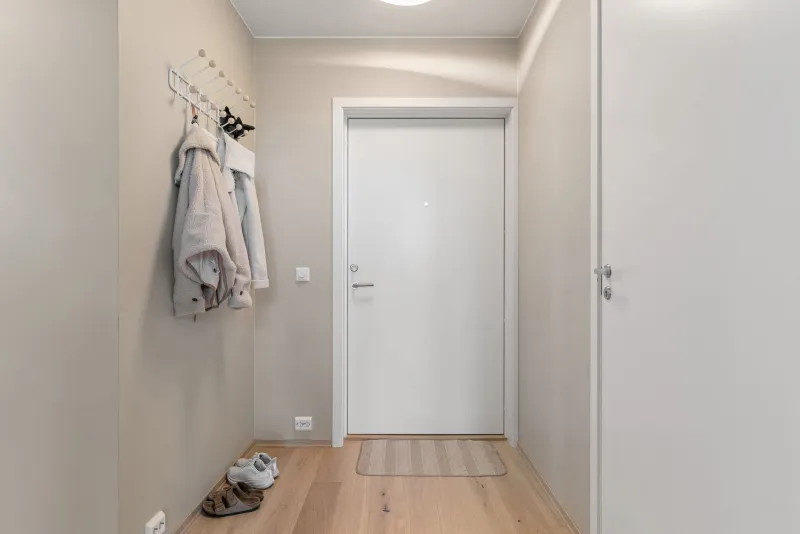
Photo: cosy wool slippers on wooden floor in British home hallway, via cdn-media.theathletic.com
Most of us own more pairs of slippers than we do decent winter gloves, yet they get a fraction of the attention. They live by the door, under the bed or beside the radiator. They are worn for the school run prep, the Sunday kitchen potter, the late-night glass of water and the trip to the bin. In other words, they are footwear. Treating them as filler is how you end up with a pair that slides off on the stairs, traps heat like a plastic bag or gives up by February.
The good news is that the checks you would apply to a pair of trainers work just as well on house shoes. You just need to look at them in the shop, or before you click buy, with the same level of suspicion.
Start with the sole, not the fluff
A slipper can feel like a cloud in the shop and still be a liability at home. Turn it over. The outsole is doing the real work. For British homes, that means a sole with actual tread, not a smooth felt pad. You want enough grip for wooden stairs, kitchen tiles and the bit of lino by the back door. A rubber or EVA sole with a shallow pattern is a sensible starting point. If the sole is slick, shiny or already flattened, walk away.
Flex the shoe gently. It should bend where your foot bends, not fold in half like a slice of bread. A sole that is too stiff will clump around the house; one that is too soft will wear through at the heel. Also check the heel edge. A slipper that is backless can be fine for short bursts, but if you are regularly carrying laundry up and down stairs, a proper heel cup is the safer bet. It keeps the shoe where it belongs when you are moving quickly.
Fit is a safety feature
Slippers are often bought a size up because they feel cosy. That is usually a mistake. Too much room and your foot slides forward, which means your toes do the gripping. Over time, that changes how you walk and makes stairs feel less secure. A good house shoe should feel snug around the instep without pinching the toes. There should be a thumb's width at the front, no more.
If you are between sizes, think about the sock you will wear. Thick wool socks and a thin summer pair need different amounts of space. Try them on with the socks you actually wear at home. If you are buying online, check the returns policy before you commit. A slipper that has to be returned is annoying; one that cannot be returned is a waste.
Linings that can breathe
The inside matters as much as the outside. Sheepskin and wool linings are warm and lovely, but they need to be able to dry out. A cheap synthetic lining can make your feet clammy within an hour, and damp feet are cold feet. Look for a lining that feels dry to the touch and is attached properly, without lumps or loose patches. If you run hot, a cotton or wool blend is often more comfortable than a fully sealed foam interior.
Memory foam is not automatically a good thing. It can feel wonderful at first, then compress into a flat trench where your heel used to be. If you like a softer step, look for a removable insole. That way you can replace it when it packs down, rather than throwing away the whole shoe.
Washability and the British hallway
House shoes live in the dirtiest part of the home. They meet wet leaves, kitchen crumbs, pet hair and the occasional muddy footprint. Check the care label before you buy. Some wool slippers can be hand-washed; some can go in the machine on a cool cycle; many cannot be washed at all. If you want a pair for everyday use, a washable or wipe-clean finish is a practical luxury.
A removable footbed helps here too. It can be aired, brushed or replaced. A quick shake and a spot clean will keep the inside fresher for longer. And if you have a radiator habit, do not dry soggy slippers directly on it. Let them air out slowly, stuffed with newspaper if needed. Direct heat can shrink the upper and harden the sole.
A small rotation beats one tired pair
The most useful change is not a more expensive slipper. It is a second pair. Keep one for general house wear and one for the kitchen or garden door. That way you are not wearing the same sole from the bedroom carpet to the back step. It also gives each pair time to dry out, which is half the battle in a damp British winter.
If you have stairs, keep a pair at the bottom and a pair at the top. It sounds excessive until you realise how often you kick off a slipper and then pad upstairs in socks. A cheap second pair is often a better investment than a premium pair that gets worn every single day without a rest.
The shop-floor check
Before you pay, do a short walking test. Walk on a hard floor and a carpet. Turn sharply. Go up and down a step if the shop has one. Check that the heel does not slip, the toe does not pinch and the sole does not slap. Look at the stitching around the toe and heel. If it is already fraying, it will not improve at home.
Finally, ask yourself whether the pair looks like something you would wear if a neighbour knocked. That is not about style points. It is about whether you will actually keep them by the door and put them on, rather than leaving them in a cupboard because they feel too precious or too silly. House shoes should be useful, washable and safe on the stairs. The fluffy factor is optional.